Hypothyroidism
An authoritative clinical profile of Hypothyroidism covering ATA 2014 diagnostic criteria, autoimmune Hashimoto etiology, serum TSH/Free T4 monitoring, myxedema coma emergency red flags, and levothyroxine non-discontinuation boundaries.
Editorial review complete
Independent clinical validation is pending.
Quick Reference Facts
"Hypothyroidism can cause secondary hyperprolactinemia due to TRH cross-stimulation. Always screen thyroid status in cases of unexplained galactorrhea or oligomenorrhea."
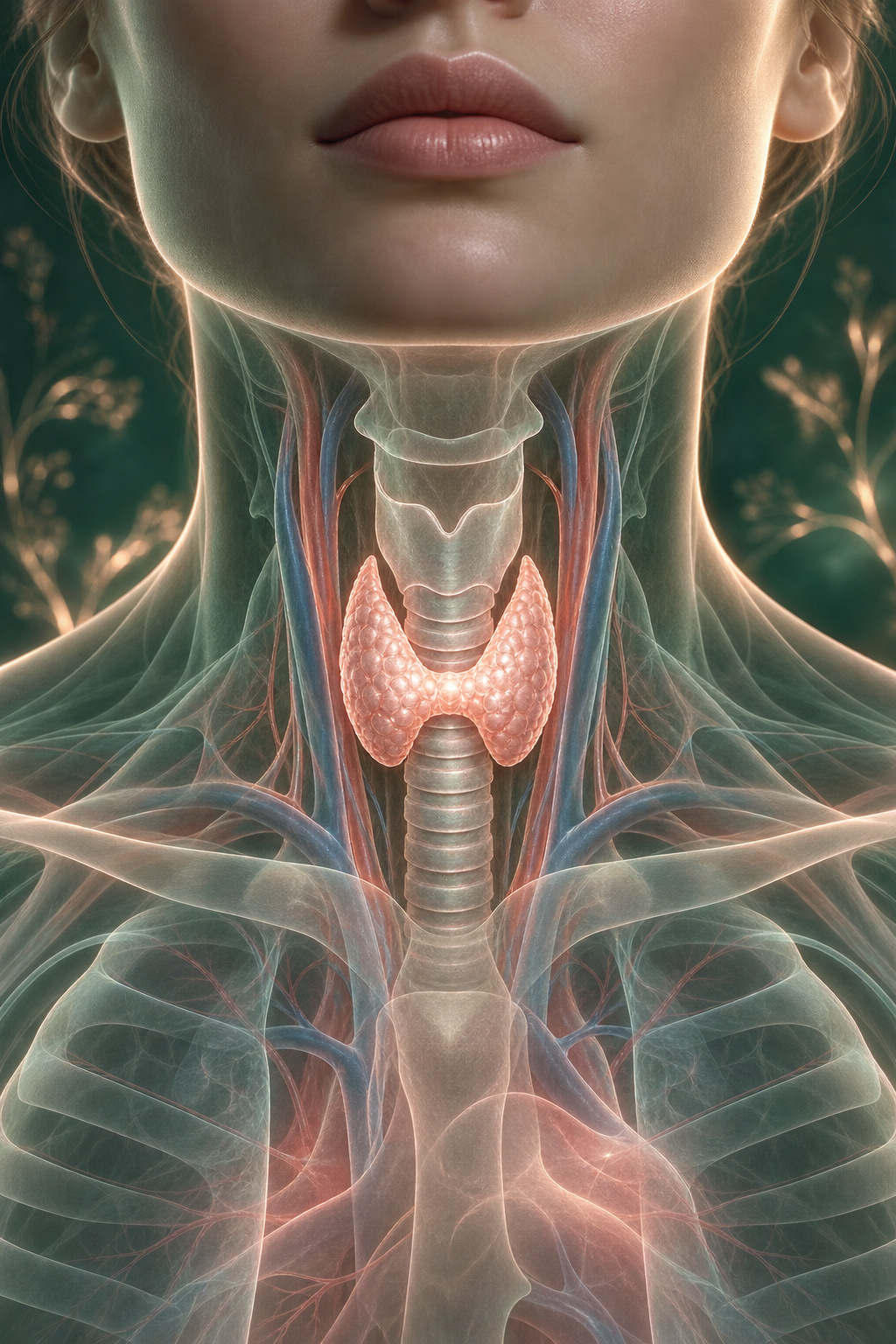
Clinical Diagram: Hypothalamic-Pituitary-Thyroid (HPT) Feedback Axis
In primary hypothyroidism, destruction of the thyroid gland limits T4 production, removing the negative feedback loop and driving compensatory TSH elevation.
Visual guide
 Homeo Healthcare
 Homeo Healthcare
 Homeo Healthcare
In simple words
Hypothyroidism (underactive thyroid gland producing insufficient hormones) is a clinical syndrome resulting from deficient thyroid hormone production or action [D0011-KEYNOTES, CIT-0041]. Primary hypothyroidism (underactive thyroid gland producing insufficient hormones) is characterized by serum TSH (Thyroid Stimulating Hormone, the master regulator of metabolic rate) elevation above reference limits (>4.5 mIU/L) and decreased Free T4 levels.
A systemic metabolic state of thyroid hormone deficiency caused most commonly by autoimmune thyroiditis (Hashimoto's disease), radioactive iodine ablation, thyroidectomy, or severe iodine deficiency.
Common causes
- Autoimmune thyroiditis (Hashimoto's disease): Chronic lymphocytic infiltration and anti-TPO / anti-Tg autoantibody destruction of thyroid follicles [D0011-KEYNOTES, CIT-0041]
- Iatrogenic causes: Post-surgical thyroidectomy, radioactive iodine therapy, or external beam neck radiation
- Central (secondary/tertiary) hypothyroidism: Pituitary TSH or hypothalamic TRH deficiency
Risk Factors
- Female sex (5-10 times higher prevalence) and age >60 years
- Personal or family history of autoimmune disorders (Type 1 Diabetes, Celiac disease, Vitiligo)
- Postpartum period and history of neck radiation or thyroid surgery
Common symptoms
- Persistent physical lethargy, generalized weakness, and severe cold intolerance [D0011-KEYNOTES, CIT-0041]
- Unexplained weight gain despite reduced appetite and constipation
- Dry coarse skin, brittle hair, facial periorbital edema (myxedema), and hoarse voice
- Bradycardia, delayed relaxation phase of deep tendon reflexes, and menorrhagia
Lifestyle & diet support
Ensure adequate dietary iodine and selenium intake, avoid excessive consumption of raw goitrogenic vegetables, engage in regular physical activity, and track annual TSH levels.
Homeopathic Clinical Perspective
Inadequate secretion of thyroid hormones (T4, T3) causing generalized metabolic slowdown, treated with lifelong levothyroxine sodium replacement.
Educational Note:This information is compiled from classical homeopathic literature and modern clinical reviews for general educational reference. Individualized homeopathic care relies on strict constitutional matching and should be guided by a certified practitioner.
Clinical Warning & Limitations:Homeopathic therapy is complementary and does NOT replace emergency medical care, acute surgical interventions, or essential conventional drug replacement regimens (such as insulin or thyroid hormones). If you present with red flag symptoms, seek immediate professional urgent care.
Frequently Asked Questions
Clinical & academic detailShow detailHide detail
Diagnosis & tests
Investigation Protocol
Diagnosed via serum TSH (elevated >4.5 mIU/L in primary hypothyroidism), Free T4 (decreased in overt hypothyroidism), and anti-TPO / anti-thyroglobulin antibody titers [CIT-0041].
Differential Diagnosis
Differentiate from Major Depressive Disorder, Chronic Fatigue Syndrome, Iron Deficiency Anemia, Polycystic Ovary Syndrome (PCOS), and Non-Thyroidal Illness Syndrome (Euthyroid Sick Syndrome).
Differential Diagnosis Matrix
| Differential Condition | Clinical Overlap (Why it looks similar) | Key Differentiator | Primary Investigation |
|---|---|---|---|
| Hyperthyroidism | Thyroid enlargement (goiter), neck pressure feeling. | Anxiety, weight loss, heat intolerance, hyperactive reflexes. | TSH (suppressed), Free T4 (elevated) |
| Major Depression | Cognitive slowing, fatigue, weight changes, depressed mood. | Normal thyroid reflexes, normal serum TSH, absence of goiter. | Thyroid Stimulating Hormone (TSH) screen |
| Iron Deficiency Anemia | Chronic physical fatigue, weakness, cold extremities. | Microcytic hypochromic red blood cells, low serum ferritin. | Serum Ferritin, Complete Blood Count (CBC) |
| PCOS | Weight gain, irregular menstrual cycles, fatigue. | Hyperandrogenism signs (hirsutism), multiple ovarian cysts. | Pelvic Ultrasound, Free Testosterone |
Reference Citations & Evidence Sources
Clinical Guidelines & Consensus Statements
- CIT-0012Jonklaas J., Bianco A. C., Bauer A. J., et al.. "Guidelines for the Treatment of Hypothyroidism: Prepared by the American Thyroid Association Task Force on Thyroid Hormone Replacement." Thyroid (2014).DOI PubMed
- CIT-0013Garber J. R., Cobin R. H., Gharib H., et al.. "Clinical Practice Guidelines for Hypothyroidism in Adults: Cosponsored by the American Association of Clinical Endocrinologists and the American Thyroid Association." Endocrine Practice (2012).DOI PubMed
- CIT-0014Demers L. M., Spencer C. A.. "Laboratory Medicine Practice Guidelines: Laboratory Support for the Diagnosis and Monitoring of Thyroid Disease." National Academy of Clinical Biochemistry (NACB) (2002).
- CIT-0041Jonklaas J., Bianco A. C., Bauer A. J.. "Guidelines for the Treatment of Hypothyroidism: Prepared by the American Thyroid Association Taskforce." Thyroid (2014).DOI PubMed
Clinical Connections
Related Investigations
Related Remedies
Related Comparisons
Seeking Expert Consultation?
Book an online video session with Dr. Narayan Jethwani to get an individualized constitutional homeopathic protocol tailored to your case.
Medical Safety Disclaimer
All content on the Homeo Healthcare platform is strictly for educational purposes and is not personal medical advice, diagnosis, or treatment. Homeopathic remedy considerations are provided for clinician review or require individualized consultation with a qualified physician. Never delay seeking professional medical advice or emergency medical care due to content you have read on this website.