Vitamin D Deficiency
A clear guide to low vitamin D: possible symptoms, the usual blood test, common risk factors, safe next steps, and when to seek clinical advice.
Editorial review complete
Independent clinical validation is pending.
Quick Reference Facts
"Total 25-hydroxyvitamin D [25(OH)D] is the usual test for vitamin D status; interpretation should be individualised rather than based on a number alone."
Visual guide
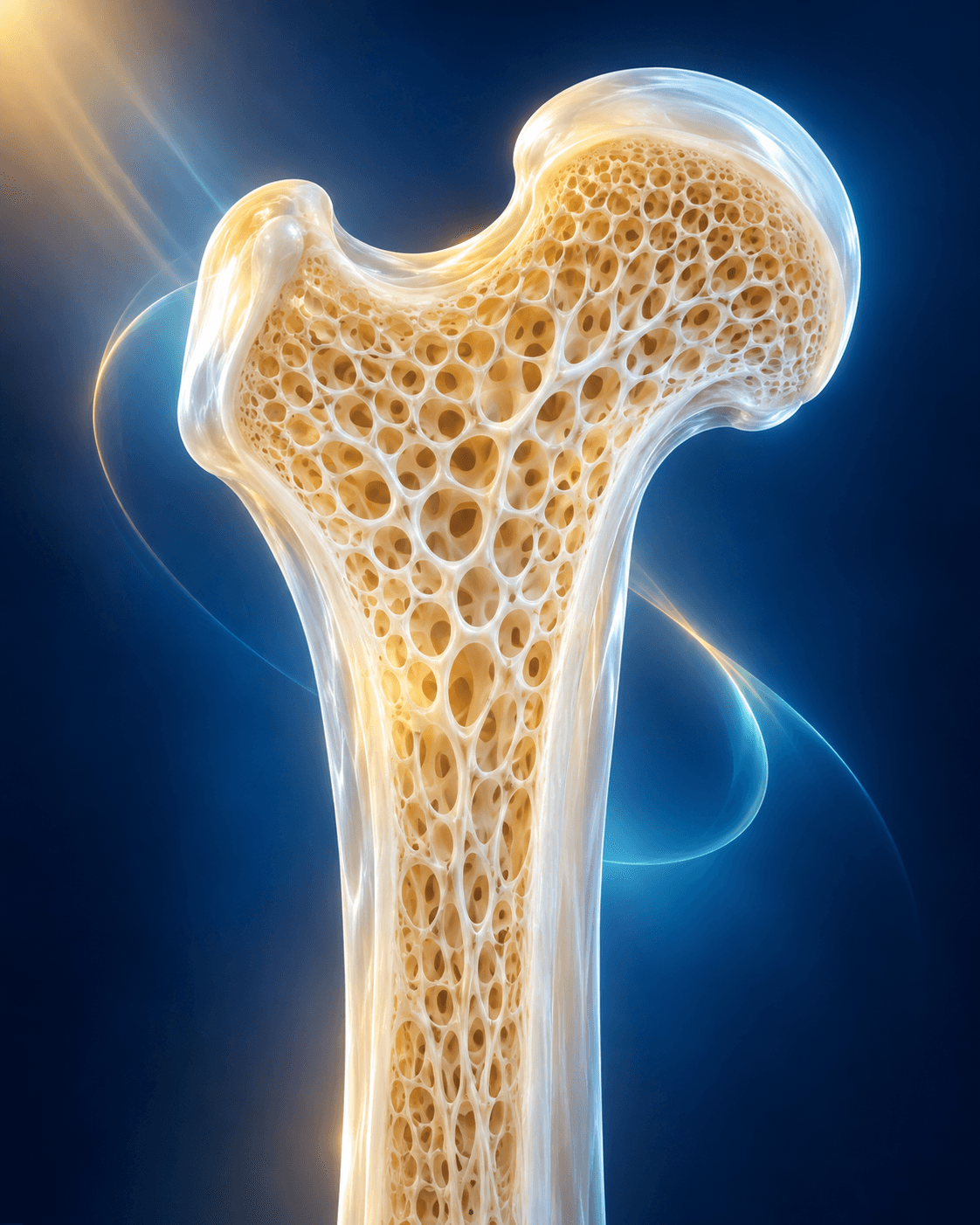
 Homeo Healthcare
 Homeo Healthcare
 Homeo Healthcare
In simple words
Vitamin D helps the body absorb calcium and supports normal bone, muscle, nerve, and immune function. Low levels are common and may cause no symptoms at all. When deficiency is more significant, people can develop bone discomfort, muscle aches or weakness, and a greater risk of bone problems. A blood test and the wider clinical picture—not symptoms alone—help a clinician decide whether low vitamin D is contributing.
A clinical and biochemical metabolic disorder defined by the Endocrine Society as a serum 25-hydroxyvitamin D [25(OH)D] concentration <20 ng/mL (<50 nmol/L), with levels of 21–29 ng/mL classified as insufficiency and ≥30 ng/mL as sufficiency.
Common causes
- Inadequate Cutaneous Photobiogenesis: insufficient ultraviolet-B (UVB; 290–315 nm) solar irradiation to convert epidermal 7-dehydrocholesterol to pre-vitamin D3 due to indoor lifestyles, high geographic latitude, sunscreen use (SPF 30 reduces synthesis by >95%), clothing coverage, or high melanin pigmentation
- Inadequate Dietary Intake: low consumption of vitamin D-rich foods (fatty fish [salmon, mackerel], fortified dairy products, egg yolks, UV-exposed mushrooms)
- Gastrointestinal Malabsorption: celiac disease, Crohn's disease, cystic fibrosis, pancreatic insufficiency, bariatric Roux-en-Y gastric bypass surgery, or chronic cholestatic liver disease impairing fat-soluble vitamin absorption
- Hepatic Hydroxylation Impairment: chronic severe liver disease impairing conversion of vitamin D to 25-hydroxyvitamin D [25(OH)D] via CYP2R1
- Renal 1-Alpha-Hydroxylation Deficiency: Chronic Kidney Disease (CKD stage 3–5) losing functional CYP27B1 activity and failing to synthesize active 1,25-dihydroxyvitamin D3 (Calcitriol)
- Pharmacological accelerated catabolism: cytochrome P450 enzyme-inducing anticonvulsants (phenytoin, carbamazepine, phenobarbital), rifampin, and glucocorticoids accelerating conversion of vitamin D metabolites to inactive forms
Risk Factors
- Dark skin pigmentation (high melanin acts as a natural sunscreen, requiring 3 to 5 times longer sun exposure to synthesize equivalent vitamin D)
- Institutionalized elderly individuals and homebound adults with minimal outdoor daylight exposure
- Exclusive breastfeeding in infants without standard 400 IU/day vitamin D supplementation
- Obesity (BMI ≥30 kg/m^2; lipophilic vitamin D is sequestered in excess adipose stores, decreasing bioavailability)
- Chronic kidney disease or inflammatory bowel disease
Common symptoms
- Often completely asymptomatic in mild to moderate deficiency
- Diffuse, dull, aching musculoskeletal pain affecting the lower back, pelvis, hips, thighs, and rib cage
- Proximal Muscle Weakness (Myopathy): difficulty standing up from a chair without using arms, difficulty climbing stairs, or a waddling gait (due to impaired muscle calcium flux and low type II fast-twitch muscle fibers)
- Bone tenderness on firm thumb palpation over the anterior tibia, sternum, or pelvic crest (hallmark of adult osteomalacia)
- Chronic generalized fatigue, lethargy, impaired physical endurance, and depressive mood symptoms
- Pediatric Rickets manifestations: craniotabes, delayed fontanelle closure, rachitic rosary (beading of costochondral junctions), wrist/ankle widening, and lower limb bowing (genu varum/valgum)
Clinical Red Flags
Seek urgent medical attention at an emergency department or primary care clinic if you present with any of the following symptoms:
- Acute Severe Hypocalcemic Tetany: severe neuromuscular excitability, perioral tingling (numbness around the mouth), painful Carpopedal Spasm (Trousseau's sign / involuntary hand flexion), facial muscle twitching on tapping the facial nerve (Chvostek's sign), and Laryngospasm with acute airway stridor (life-threatening medical emergency requiring immediate IV Calcium Gluconate in an emergency setting)
- Pathological Fragility Fracture: sudden acute bone pain and inability to bear weight after minimal or no trauma (e.g., femoral neck fracture, vertebral wedge compression fracture; requires urgent orthopedic surgical evaluation and hospitalization)
- Severe Pediatric Rickets with Hypocalcemic Seizures: generalized tonic-clonic seizures, severe hypotonia, apnea, or respiratory failure in an infant (pediatric emergency requiring immediate IV calcium and intensive care monitoring)
- Vitamin D Toxicity (Hypervitaminosis D): nausea, persistent vomiting, severe constipation, polydipsia, polyuria, nephrocalcinosis, acute kidney injury, and altered mental status resulting from massive over-supplementation (serum 25(OH)D >150 ng/mL with severe hypercalcemia)
Lifestyle & diet support
Choose vitamin-D-containing or fortified foods where they suit your diet, including fatty fish, egg yolks, fortified milk or plant drinks, and some fortified cereals. Regular weight-bearing movement supports bone health. Do not use intentional unprotected sun exposure as a treatment plan; balance daylight habits with skin-cancer safety advice and ask a clinician whether a supplement is appropriate for you.
Treatment Approaches
Conventional Management
Treatment is individual. A clinician may recommend a vitamin D supplement, dietary changes, follow-up testing, or investigation of an underlying cause. The right dose, timing, and whether calcium or other treatment is needed depend on age, the test result, kidney function, medicines, pregnancy status, and other health conditions. Do not start high-dose vitamin D on your own: excessive supplementation can be harmful.
Homeopathic Approach
If you use complementary care, discuss it openly with your clinician and pharmacist. It should not replace a clinician-led plan for confirmed vitamin D deficiency, recommended supplements, or follow-up testing.
Frequently Asked Questions
Clinical & academic detailShow detailHide detail
Diagnosis & tests
Investigation Protocol
The usual test is total 25-hydroxyvitamin D [25(OH)D]. A clinician may consider it when symptoms, a health condition, medicines, or individual risk factors make a low level more likely; it is not a routine screening test for everyone. Calcium, kidney function, bone health, and other tests may be considered when the history or result calls for them.
Differential Diagnosis
Differentiate Vitamin D Deficiency from Primary Hyperparathyroidism (elevated calcium with elevated PTH), Fibromyalgia (widespread tender points without laboratory bone turnover abnormalities), Polymyalgia Rheumatica (elevated ESR/CRP with morning shoulder/hip girdle stiffness in elderly), Hypothyroidism (elevated TSH), Myasthenia Gravis (fatigable ptosis and diplopia), and Multiple Myeloma (monoclonal paraprotein, osteolytic bone lesions).
Differential Diagnosis Matrix
Differentiate Vitamin D Deficiency from Primary Hyperparathyroidism (elevated calcium with elevated PTH), Fibromyalgia (widespread tender points without laboratory bone turnover abnormalities), Polymyalgia Rheumatica (elevated ESR/CRP with morning shoulder/hip girdle stiffness in elderly), Hypothyroidism (elevated TSH), Myasthenia Gravis (fatigable ptosis and diplopia), and Multiple Myeloma (monoclonal paraprotein, osteolytic bone lesions).
Reference Citations & Evidence Sources
Classical Homeopathic Literature
- CIT-0007Hahnemann S.. "The Chronic Diseases: Their Peculiar Nature and Their Homoeopathic Cure." Adolph Arnold (1828).
Materia Medica & Keynotes
- CIT-0004Hahnemann S.. "Materia Medica Pura." Adolph Arnold (1811).
- CIT-0005Kent J. T.. "Lectures on Homoeopathic Materia Medica." Boericke & Tafel (1905).
- CIT-0006Boericke W.. "Pocket Manual of Homoeopathic Materia Medica." Boericke & Runyon (1901).
Clinical Reviews & Textbooks
- CIT-0023National Center for Complementary and Integrative Health. "Homeopathy: What You Need To Know." National Institutes of Health (2021).
Clinical Connections
Related Symptoms
Related Remedies
Seeking Expert Consultation?
Book an online video session with Dr. Narayan Jethwani to get an individualized constitutional homeopathic protocol tailored to your case.
Medical Safety Disclaimer
All content on the Homeo Healthcare platform is strictly for educational purposes and is not personal medical advice, diagnosis, or treatment. Homeopathic remedy considerations are provided for clinician review or require individualized consultation with a qualified physician. Never delay seeking professional medical advice or emergency medical care due to content you have read on this website.