Vitamin B12 Deficiency
A clear guide to low vitamin B12: possible symptoms, the usual tests, common causes, safe next steps, and when to seek medical advice.
Editorial review complete
Independent clinical validation is pending.
Quick Reference Facts
"Serum or plasma B12 is usually the first test; MMA can help clarify a borderline result, especially when symptoms or risk factors are present."
Visual guide
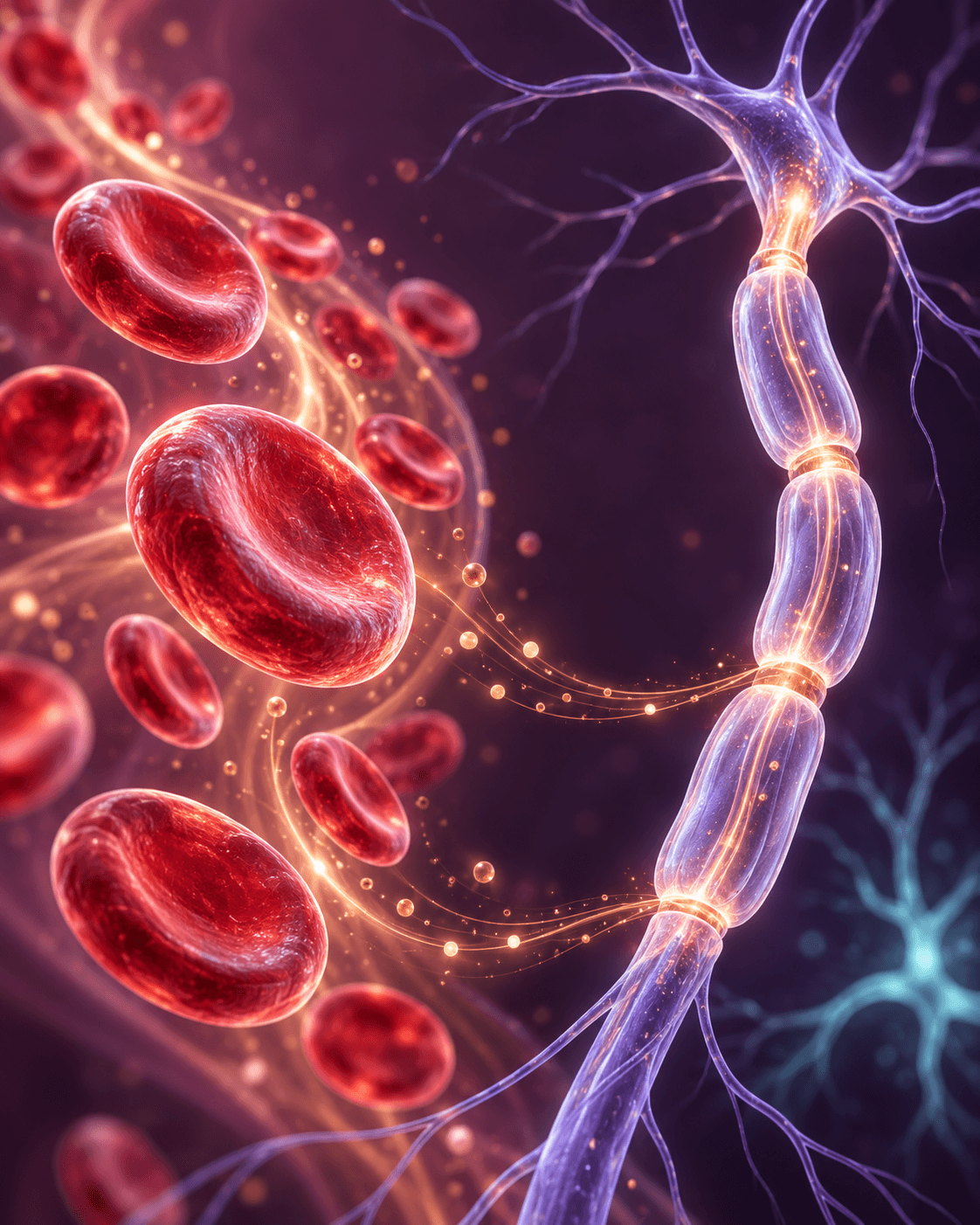
 Homeo Healthcare
 Homeo Healthcare
 Homeo Healthcare
In simple words
Vitamin B12 supports healthy red blood cells, nerve function, and DNA production. A low level can cause fatigue, weakness, mouth or tongue soreness, and tingling or numbness in the hands and feet—although some people have few symptoms. Deficiency can come from low intake, reduced absorption, stomach or bowel conditions, surgery, or certain medicines, so finding the cause is as important as replacing the vitamin.
A clinical and biochemical state characterized by subnormal circulating serum Vitamin B12 (<200 pg/mL / <148 pmol/L) with elevated serum Methylmalonic Acid (MMA) and Homocysteine levels, resulting in megaloblastic hematopoiesis or progressive demyelinating neurological dysfunction.
Common causes
- Autoimmune Pernicious Anemia: autoimmune destruction of gastric parietal cells and circulating Anti-Intrinsic Factor (anti-IF) / Anti-Parietal Cell antibodies causing loss of gastric intrinsic factor and achlorhydria (most common cause in older adults)
- Dietary Inadequacy: strict long-term vegan or vegetarian diets without fortification or supplementation (since vitamin B12 is synthesized exclusively by microorganisms and found naturally only in animal-derived foods)
- Gastric Malabsorption: total or partial gastrectomy, bariatric Roux-en-Y gastric bypass, and atrophic gastritis failing to release food-bound cobalamin (food-cobalamin malabsorption)
- Terminal Ileal Disease or Resection: surgical resection of the terminal ileum (>20–60 cm), severe ileal Crohn's disease, or celiac disease preventing absorption of the intrinsic factor-cobalamin complex (via cubam receptors)
- Pharmacological interference: prolonged use (>1–2 years) of Proton Pump Inhibitors (PPIs) or H2-receptor antagonists (suppresses gastric acid required to cleave B12 from dietary protein) and Metformin (impairs calcium-dependent ileal membrane absorption; occurs in up to 30% of diabetic users)
- Small Intestinal Bacterial Overgrowth (SIBO) and Diphyllobothrium latum (fish tapeworm) competitive lumen consumption
Risk Factors
- Strict vegan or vegetarian diet without oral B12 supplementation (>3–5 years, as hepatic B12 stores [2–5 mg] take years to deplete)
- Age >60 years (high prevalence of autoimmune atrophic gastritis and hypochlorhydria)
- Personal or family history of autoimmune endocrinopathies (Vitiligo, Hashimoto's Thyroiditis, Type 1 Diabetes, Addison's disease)
- Chronic prescription Metformin or high-dose PPI / antacid therapy
- History of bariatric weight loss surgery or ileal resection
Common symptoms
- Hematological manifestations: profound generalized fatigue, exertional dyspnea, pallor, lightheadedness, and a characteristic lemon-yellow skin tint (pallor combined with mild indirect hyperbilirubinemia from intramedullary hemolysis)
- Oral mucosal signs: Hunter's Glossitis (beefy, smooth, shiny, erythematous, painful, depapillated tongue) and recurrent aphthous stomatitis
- Neurological sensory disturbances: symmetrical, bilateral tingling, paresthesias, numbness, and 'pins and needles' in the feet and hands ('stocking-glove' distribution)
- Subacute Combined Degeneration (SCD) signs: loss of vibration sense (tested with 128-Hz tuning fork) and loss of joint position sense (proprioception) in the lower limbs, sensory ataxia (positive Romberg test, broad-based stomping gait, unsteadiness in the dark), spastic paraparesis, hyperreflexia, and extensor plantar responses (positive Babinski sign)
- Neuropsychiatric ('Megaloblastic Madness'): progressive memory loss, cognitive decline, brain fog, depression, irritability, paranoia, and overt psychosis
Clinical Red Flags
Seek urgent medical attention at an emergency department or primary care clinic if you present with any of the following symptoms:
- Subacute Combined Degeneration (SCD) of the Spinal Cord: rapid progression of bilateral lower limb sensory ataxia, severe loss of proprioception/vibration, positive Babinski sign, spastic paraparesis, and inability to walk (neurological emergency requiring immediate high-dose parenteral IM cobalamin therapy to prevent permanent irreversible spinal cord transection/paralysis)
- Severe Symptomatic Megaloblastic Pancytopenia: severe anemia (Hb <6–7 g/dL) with profound thrombocytopenia (platelets <20,000/microL with active mucosal bleeding/petechiae) or severe neutropenia (ANC <500/microL with high fever/sepsis)
- High-Output Congestive Heart Failure: extreme exertional dyspnea, orthopnea, tachycardia, and pedal edema triggered by profound chronic severe anemia
- Acute Hypokalemia during initial B12 repletion therapy: cardiac arrhythmias or muscle paralysis resulting from rapid intracellular potassium shift during massive red cell production (reticulocyte surge)
Lifestyle & diet support
Vitamin B12 occurs naturally in animal-derived foods and is added to some fortified foods. People who eat little or no animal food often need a reliable fortified-food or supplement strategy; the right approach depends on diet and absorption. Keep a list of medicines and past stomach or bowel procedures for your appointment, and report new numbness, weakness, or balance changes promptly.
Treatment Approaches
Conventional Management
Treatment depends on the cause and whether nerve symptoms are present. A clinician may recommend oral B12, injections, follow-up blood tests, or treatment of an underlying absorption condition. People with pernicious anaemia, significant malabsorption, or neurological symptoms may need a different plan and longer follow-up. Do not self-treat persistent tingling, balance problems, or marked fatigue without medical assessment.
Homeopathic Approach
If you use complementary care, discuss it openly with your clinician and pharmacist. It should not replace a clinician-led B12 treatment plan, investigation of the cause, or follow-up testing.
Frequently Asked Questions
Clinical & academic detailShow detailHide detail
Diagnosis & tests
Investigation Protocol
Diagnosed through an algorithmic hematological and biochemical laboratory panel: (1) Complete Blood Count (CBC) and Peripheral Blood Smear (demonstrating Macrocytic Anemia with elevated Mean Corpuscular Volume [MCV >100–115 fL], macro-ovalocytes, pancytopenia [leukopenia, thrombocytopenia], and pathognomonic hypersegmented neutrophils [≥5 lobes in ≥5% of neutrophils]). (2) Total Serum Vitamin B12 (<200 pg/mL = Deficient; 200–300 pg/mL = Borderline/Equivocal). (3) Confirmatory Metabolites (essential in borderline cases or suspected cellular deficiency): Serum Methylmalonic Acid (MMA; highly sensitive and specific; elevated >0.40 micromol/L) and Total Serum Homocysteine (elevated >15 micromol/L). (4) Etiological Autoantibody Testing: Serum Anti-Intrinsic Factor (Anti-IF) Antibodies (high specificity for Pernicious Anemia) and Anti-Parietal Cell Antibodies.
Differential Diagnosis
Differentiate Vitamin B12 Deficiency from Folate (Vitamin B9) Deficiency (macrocytic anemia with normal MMA and elevated homocysteine, without subacute combined degeneration; WARNING: treating B12 deficiency with high-dose folate alone cures the anemia but allows catastrophic irreversible spinal cord paralysis to progress), Myelodysplastic Syndrome (MDS), Alcohol-Related Macrocytosis, Hypothyroidism, Multiple Sclerosis, and Cervical Spondylotic Myelopathy.
Differential Diagnosis Matrix
Differentiate Vitamin B12 Deficiency from Folate (Vitamin B9) Deficiency (macrocytic anemia with normal MMA and elevated homocysteine, without subacute combined degeneration; WARNING: treating B12 deficiency with high-dose folate alone cures the anemia but allows catastrophic irreversible spinal cord paralysis to progress), Myelodysplastic Syndrome (MDS), Alcohol-Related Macrocytosis, Hypothyroidism, Multiple Sclerosis, and Cervical Spondylotic Myelopathy.
Reference Citations & Evidence Sources
Classical Homeopathic Literature
- CIT-0007Hahnemann S.. "The Chronic Diseases: Their Peculiar Nature and Their Homoeopathic Cure." Adolph Arnold (1828).
Materia Medica & Keynotes
- CIT-0004Hahnemann S.. "Materia Medica Pura." Adolph Arnold (1811).
- CIT-0005Kent J. T.. "Lectures on Homoeopathic Materia Medica." Boericke & Tafel (1905).
- CIT-0006Boericke W.. "Pocket Manual of Homoeopathic Materia Medica." Boericke & Runyon (1901).
Clinical Reviews & Textbooks
- CIT-0023National Center for Complementary and Integrative Health. "Homeopathy: What You Need To Know." National Institutes of Health (2021).
Clinical Connections
Related Symptoms
Related Remedies
Related Investigations
Related Comparisons
Seeking Expert Consultation?
Book an online video session with Dr. Narayan Jethwani to get an individualized constitutional homeopathic protocol tailored to your case.
Medical Safety Disclaimer
All content on the Homeo Healthcare platform is strictly for educational purposes and is not personal medical advice, diagnosis, or treatment. Homeopathic remedy considerations are provided for clinician review or require individualized consultation with a qualified physician. Never delay seeking professional medical advice or emergency medical care due to content you have read on this website.